Wait until the trades are completely done, ventilate, then HEPA-vacuum from the top down, wipe every surface with a damp microfibre cloth, clean inside cabinets and closets, vacuum the vents and do the floors last. Skip dry sweeping, and change your furnace filter once you're finished.
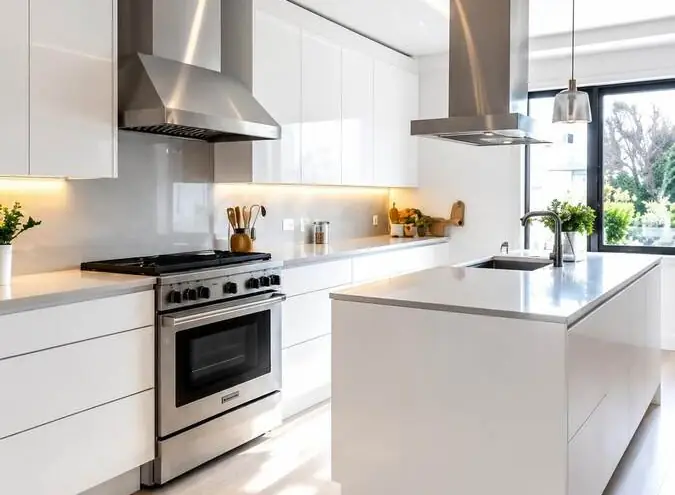
The trades are gone, the new kitchen looks great — and a fine grey film is settling on everything. Renovation dust from drywall sanding, cutting tile and concrete is much finer than everyday household dust. It floats for hours, works its way into cabinets and vents, and comes back after you clean if you go about it the wrong way. Here's how to get rid of it properly.
Wait until the trades are completely done
Cleaning between painting, caulking and final touch-ups means doing it twice. Book the final clean for after the last trade has packed up. If the renovation was large, plan on two passes: one when construction wraps up and a lighter deep clean a week or two later, after furniture is back and the last of the airborne dust has settled.
Use the right tools
- A vacuum with a HEPA filter. Ordinary vacuums can blow the finest dust straight back out. Empty or change bags and filters often — fine dust clogs them fast.
- Microfibre cloths, lightly damp. They trap dust instead of pushing it around. Rinse and swap them often.
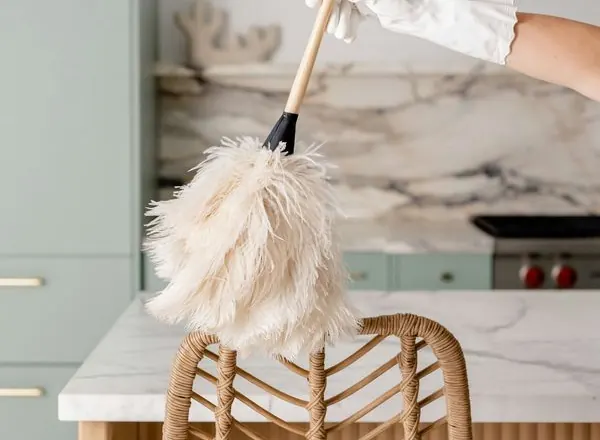
- No dry sweeping or dusting with a feather duster. Both put fine dust back in the air.
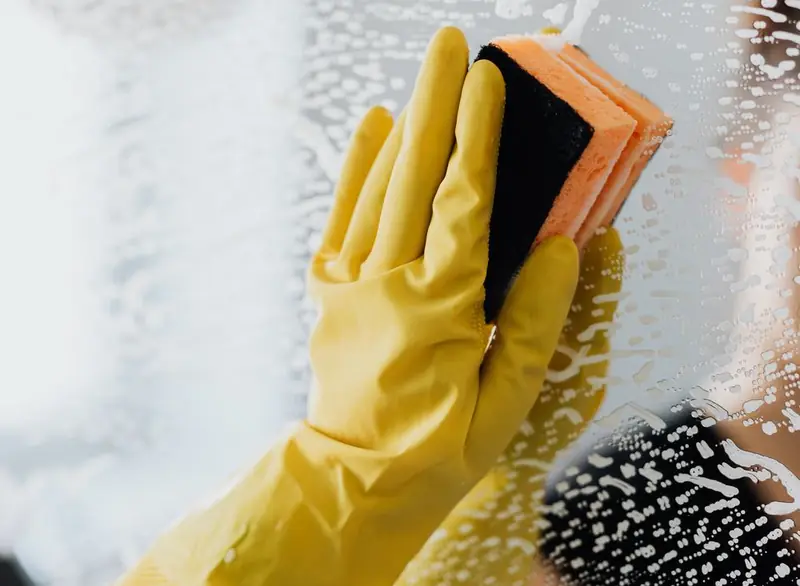
- A dust mask while you work, and gloves for any residue.
Clean in the right order
- Ventilate. Open windows and run bathroom and kitchen fans so airborne dust has somewhere to go.
- Vacuum high to low. Ceilings corners, light fixtures, the tops of door frames, window frames and cabinets, then walls.
- Inside everything. Vacuum and wipe the inside of cabinets, drawers and closets. Dust gets in even when doors were closed.
- Wipe every surface with a damp microfibre cloth: counters, shelves, sills, baseboards, switches and outlet covers.
- Vents and returns. Vacuum the grilles. Change your furnace or HRV filter once the cleaning is finished — not before.
- Floors last. HEPA-vacuum first, then damp-mop with clean water changed often, working toward the door.
Book a post-construction cleanFine dust removal, fixtures and windows polished, and a final room-by-room pass. From $279.
Get my instant price →Places dust hides
- Tops of door frames, upper cabinets and the fridge
- Inside light fixtures and on bulbs
- Window tracks and blind slats
- Inside drawers and on cabinet shelves
- Behind and under appliances
- Electrical outlet covers and switch plates
- Bathroom exhaust fan covers
- Heating vents and baseboard heaters
Paint, grout haze and stickers
Light residue — paint flecks on glass, grout haze on new tile, labels on new fixtures — often comes off with the right approach, but it depends on the surface. Check the manufacturer's care instructions for new countertops, tile and flooring before using anything stronger than mild soap and water, and ask your contractor about anything that needs a specialty product. Heavy debris and leftover building materials should be removed by your contractor before cleaning starts.
When to call a professional
A full renovation clean is slow, repetitive work. Our post-construction clean covers fine dust removal from surfaces, ledges and fixtures, polished fixtures and windows, light residue cleanup, floors and a final room-by-room pass — with supplies included and every booking covered by our $2M liability insurance.
Frequently asked questions
How do you get rid of construction dust in a house?
Ventilate, then HEPA-vacuum from the ceiling down, wipe every surface with a damp microfibre cloth, clean inside cabinets and closets, vacuum the vents, and do the floors last. Avoid dry sweeping, which puts dust back in the air.
Why does dust keep coming back after a renovation?
The finest particles stay airborne for hours and settle again after you clean. That's why many people book a second, lighter clean a week or two after the first.
When should I book a post-construction clean?
After every trade is completely done, including paint touch-ups and caulking. Cleaning earlier usually means cleaning twice.
Should I change my furnace filter after a renovation?
Yes — after the cleaning is finished, so the new filter isn't clogged by the dust stirred up during cleaning.
How much does a post-construction clean cost?
Good Maid post-construction cleans start at $279 for spaces under 1,000 sq ft. The instant price updates for your home's size.
Get your instant priceSee the price for your home in under a minute — no account needed.
Get my instant price →