Vacuum or dry-mop first, then damp-mop with a cleaner made for finished wood floors and a well-wrung microfibre mop. Avoid steam mops, soaking wet mops, vinegar and oil soaps unless your flooring maker says otherwise. A good door mat and a shoes-off rule do the most to protect wood in the wet season.
Wood floors are everywhere in Metro Vancouver, from character homes in Kitsilano to new condos with engineered plank. They're easy to live with — as long as you clean them the right way. Most damage comes from too much water and the wrong product, not from dirt.
First, know what kind of floor you have
- Site-finished or factory-finished hardwood (most homes): the wood is sealed with a polyurethane-type finish. You're really cleaning the finish, not the wood.
- Engineered hardwood: a real wood top layer on a plywood base. Clean it like finished hardwood. It's sensitive to standing water at the seams.
- Oiled or waxed floors (less common, often older homes): these need specific products. Water-based cleaners can strip them.
- Laminate and luxury vinyl plank look like wood but aren't. They tolerate a little more moisture but still don't like puddles.
Not sure? Your flooring maker's care guide or the strata's renovation records usually say. When in doubt, follow the gentlest method below.
How to clean hardwood floors
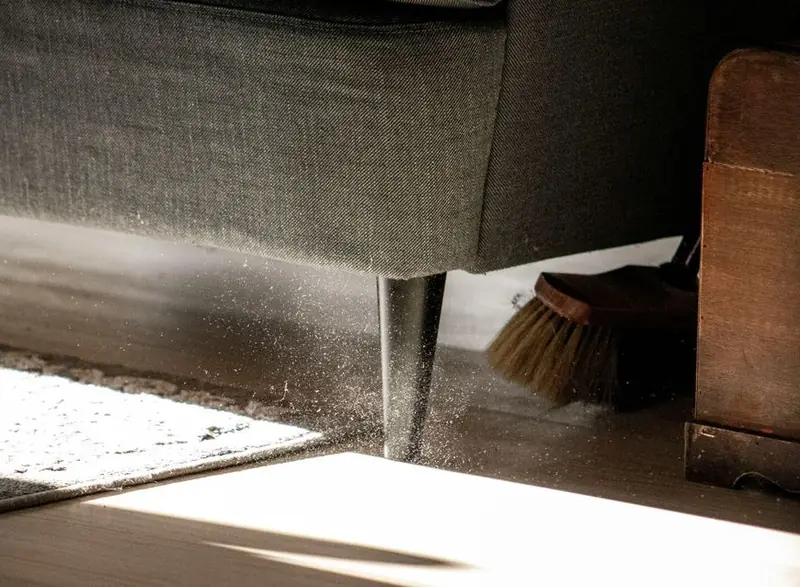
- Remove grit first. Vacuum on the hard-floor setting (brush roll off, or a soft-bristle head) or use a dry microfibre mop. Grit is what scratches a finish, so never mop over it.
- Use a cleaner made for finished wood floors, diluted exactly as the label says. A pH-neutral cleaner is the safe choice for most finishes.
- Damp, not wet. Mist the floor or the mop pad lightly. If you use a bucket, wring the microfibre pad until it's barely damp. The floor should dry within a minute or two.
- Work with the grain, a section at a time, toward the door.
- Dry any wet spots — especially near the kitchen sink, dishwasher and entry.
| How often | What to do |
|---|---|
| Daily or as needed | Quick dry-mop or vacuum in the entry and kitchen |
| Weekly | Vacuum everywhere, then damp-mop high-traffic areas |
| Monthly | Damp-mop the whole floor, including under furniture you can move |
| Every few years | Professional screen and recoat when the finish wears thin |
What to avoid on hardwood
- Steam mops. Many flooring makers advise against them — heat and moisture can get into seams and damage the finish.
- Soaking wet mops and puddles. Water at the seams can cause swelling and cupping, especially on engineered floors.
- Vinegar, ammonia and bleach. Acidic and harsh cleaners can dull many finishes over time.
- Oil soaps, wax and "shine" products on a polyurethane finish. They leave residue that attracts dirt and can cause problems if the floor is recoated later.
- Abrasive pads and powders.
- Beater-bar vacuums with the brush roll spinning.
Your flooring maker's instructions always win. Some warranties specify the cleaner you have to use.
Floors done right, every visitOur cleaners vacuum every floor and mop hard floors with a product suited to the surface.
Get my instant price →Wet-season tips for Vancouver homes
From October to spring, rain and grit get tracked in every day. That grit acts like sandpaper on a wood finish.
- Two mats: a coarse one outside the door and an absorbent one inside.
- Shoes off at the door — already the norm in most Vancouver homes, and it's the single best thing for your floors.
- A boot tray for wet shoes and umbrellas, so water doesn't sit on the wood.
- Felt pads under chair and table legs, replaced when they wear down.
- Watch the humidity. Wood moves with moisture. Health Canada suggests keeping indoor humidity around 30–40% in winter; very dry or very damp air can cause gaps or cupping. Our condensation guide covers how to manage it.
Scuffs, sticky spots and dull patches
- Scuffs: often rub off with a dry microfibre cloth or a clean tennis ball.
- Sticky spots: a cloth dampened with your floor cleaner, then dry the spot.
- Dull, cloudy patches: usually residue from too much cleaner or a shine product. Clean with plain water on a well-wrung pad, then dry.
- Grey or white marks that don't wipe off: the finish is worn or water has got in. That's a job for a flooring professional.
For more on keeping floors clear of hair and grit, see our cleaning tips for pet owners and our fall and winter checklist.
Frequently asked questions
What is the best way to clean hardwood floors?
Vacuum or dry-mop to remove grit, then damp-mop with a cleaner made for finished wood floors using a well-wrung microfibre pad. The floor should dry within a minute or two.
Can I use vinegar on hardwood floors?
It's best avoided. Acidic cleaners like vinegar can dull many floor finishes over time. Use a pH-neutral cleaner made for wood floors.
Are steam mops safe for hardwood?
Many flooring makers advise against steam mops on hardwood and engineered wood, because heat and moisture can damage the finish and seams. Check your flooring maker's care guide.
How often should hardwood floors be mopped?
High-traffic areas weekly and the whole floor about once a month, with vacuuming or dry-mopping in between.
Do house cleaners clean hardwood floors?
Yes. In every Good Maid clean, all floors are vacuumed and hard floors are mopped with a product suited to the surface.
Get your instant priceSee the price for your home in under a minute — no account needed.
Get my instant price →