Dust top to bottom with a damp microfibre cloth instead of a feather duster, vacuum weekly with a HEPA-filter vacuum, change your furnace filter on schedule, keep shoes at the door, wash bedding weekly, and keep humidity in a healthy range. In wildfire season, keep windows closed on smoky days and run a portable HEPA air cleaner.
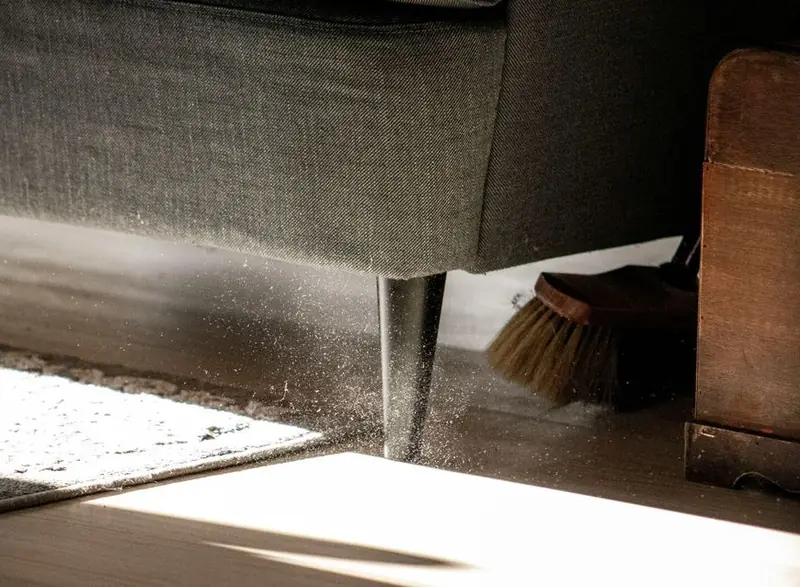
Dust settles back on a shelf almost as soon as you wipe it. That's because most of it is constantly being made inside your home and stirred back into the air. You can't get rid of it completely, but the right habits cut it down a lot — and make every clean last longer.
Where household dust comes from
- People and pets — skin flakes and pet dander.
- Fabric — fibres from bedding, towels, carpets, sofas and clothes.
- Outdoors — soil and grit tracked in on shoes, pollen through windows, and in summer, wildfire smoke.
- Cooking and heating — grease and fine particles that stick to surfaces and trap more dust.
In Metro Vancouver, closed windows and forced-air heat in the wet season mean the same dust gets circulated for months. That's why homes often feel dustier in winter.
How to dust properly (so you don't just move it around)
- Top to bottom. Ceiling fans and light fixtures, then shelves and tops of door frames, then furniture, then baseboards. Floors last.
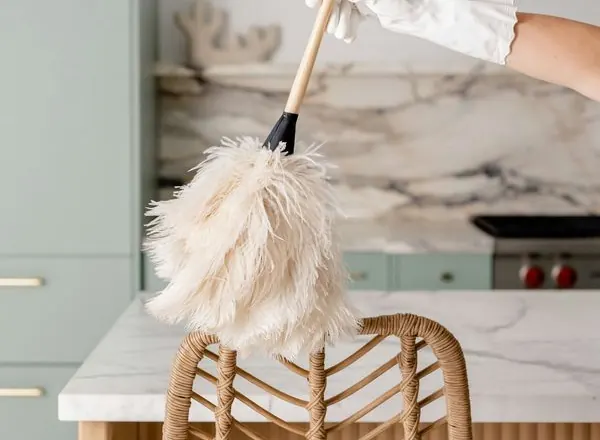
- Use a slightly damp microfibre cloth. Microfibre grabs dust; a dry feather duster mostly throws it into the air to settle again.
- Fold the cloth into quarters and turn to a clean side often.
- Don't forget the hidden spots: tops of door frames, picture frames, blinds, lamp shades, the top of the fridge, and behind electronics.
- Vacuum after dusting, never before.
12 habits that reduce dust at home
- Shoes off at the door, with a mat outside and inside. Most of the grit in a home comes in on feet.
- Vacuum weekly with a HEPA-filter vacuum. Cheap vacuums can blow fine dust back out of the exhaust.
- Empty the vacuum canister outside or into a bag you seal straight away.
- Change your furnace filter on schedule — many makers suggest every one to three months. A higher-rated filter traps more fine particles if your system is designed for it; check your furnace manual.
- Vacuum heating vents and returns every few months.
- Wash bedding weekly in hot water if the label allows. Beds are one of the biggest dust sources in a home.
- Cut the clutter on open shelves. Fewer objects means fewer surfaces to collect dust and faster dusting. Closed storage helps.
- Choose washable throws and cushion covers and wash them monthly.
- Keep humidity in range. Health Canada suggests 30–40% in winter and no more than 50% in summer. Very dry air keeps dust airborne; very damp air feeds dust mites and mould. Our condensation guide covers how to manage it.
- Run the range hood when you cook. It pulls out grease particles that would otherwise settle on cabinets and trap dust.
- Brush and groom pets outside or in one easy-to-clean spot. See our tips for pet owners.
- Get a regular clean. Dust builds on itself; a consistent schedule stops it compounding.
Less dust, every visitEvery Good Maid clean includes dusting reachable surfaces, shelves and ceiling fans, and vacuuming every floor.
Get my instant price →Wildfire smoke season in BC
BC summers often bring days of wildfire smoke, and the fine particles get into homes and settle as a grey film. On smoky days:
- Keep windows and doors closed when the air quality is poor. Check BC's air quality advisories.
- Run a portable air cleaner with a HEPA filter, especially in the room you sleep in. BC's public health agencies recommend them for smoke.
- If you have forced-air heating or central air, a good filter and running the fan can help — check your system's guidance.
- Clean with damp cloths and a HEPA vacuum once the smoke clears, rather than dry dusting, so you don't stir fine particles back up.
For seasonal deep cleans, see our spring cleaning checklist and our fall and winter checklist.
Frequently asked questions
Why is my house so dusty?
Most household dust comes from inside — skin, pet dander and fabric fibres — plus grit tracked in on shoes. Closed windows and forced-air heating in winter keep circulating it.
What is the best way to dust?
Top to bottom with a slightly damp microfibre cloth, then vacuum afterwards. Dry feather dusters mostly spread dust into the air.
Does an air purifier help with dust?
A portable air cleaner with a HEPA filter can reduce fine particles in the air, and it's especially useful during wildfire smoke season. It works best alongside regular cleaning.
How often should I dust my house?
Weekly for most homes, with harder-to-reach spots like tops of door frames, vents and blinds every month or so.
How often should I change my furnace filter?
Many manufacturers suggest every one to three months. Check your furnace manual and change it more often if you have pets or during wildfire season.
Get your instant priceSee the price for your home in under a minute — no account needed.
Get my instant price →